
Nvidia, Google DeepMind, and Disney’s Groundbreaking Collaboration for Robots: The Future of Entertainment
A New Era in Entertainment Robotics
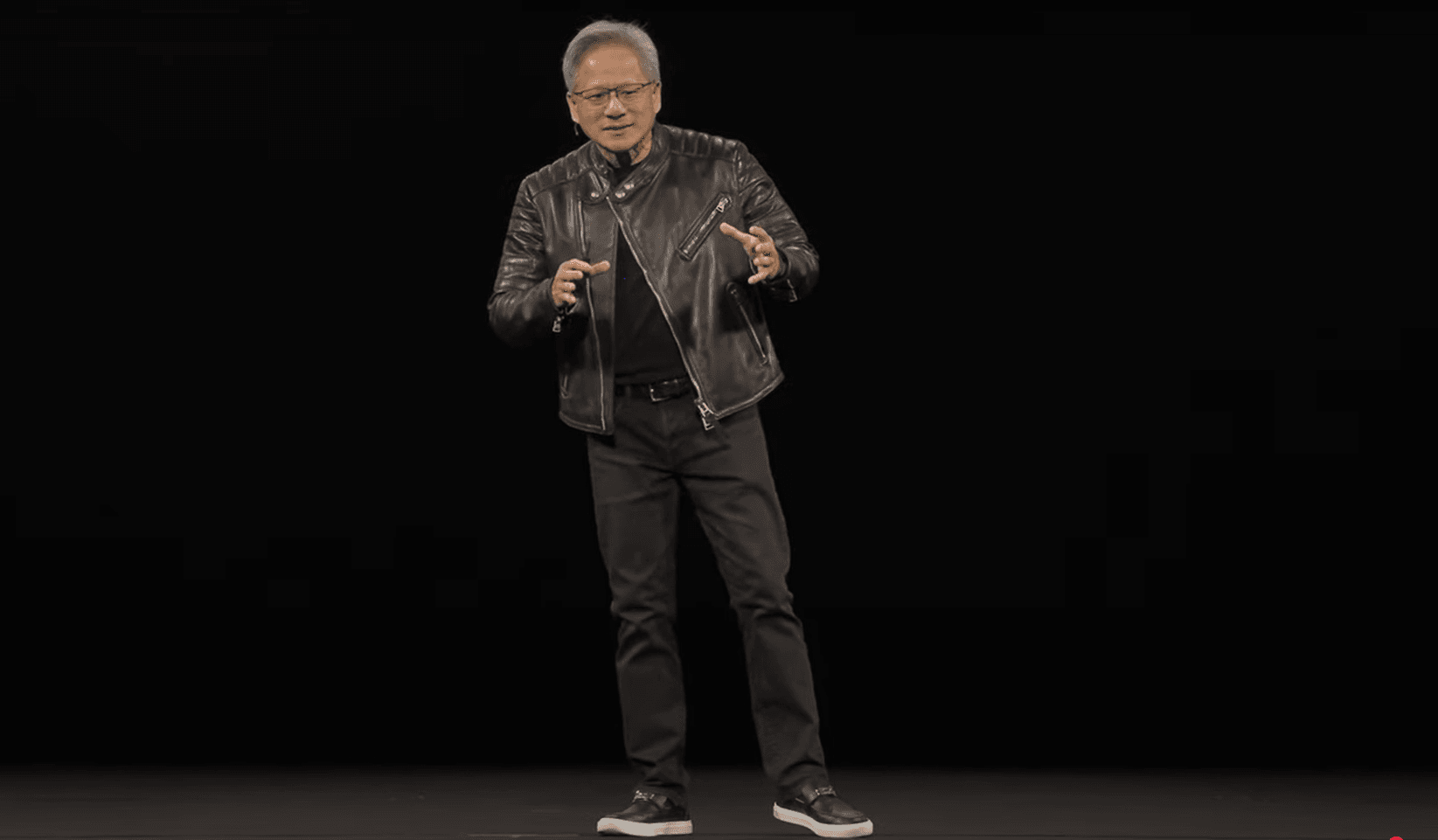
In an exciting announcement at GTC 2025, Nvidia, Google DeepMind, and Disney revealed a collaboration that promises to change the world of robotics and entertainment. Nvidia CEO Jensen Huang unveiled Newton, a groundbreaking physics engine designed to simulate realistic robotic movements, making robots more expressive and interactive. This new technology will play a key role in powering Disney’s next-gen entertainment robots, including the highly anticipated Star Wars-inspired BDX droids.
For years, Disney has pitched the idea of bringing robots to its parks, and now, thanks to Newton and the expertise of Google DeepMind, the future is closer than ever. But what exactly does this mean for the world of entertainment and robotics? Let’s dive into how this collaboration will transform theme parks, AI-driven robots, and the world of entertainment.
What is Newton? The Physics Engine Revolutionizing Robotics
Newton is a cutting-edge physics engine designed to help developers simulate how robots move and interact with the natural world. Unlike traditional robotic simulators, Newton allows for more precise simulations that replicate real-world environments, including interactions with complex objects like food, cloth, and even sand.
This collaboration between Nvidia and Google DeepMind aims to make robots not only more functional but also expressive. With Newton, developers can program robots to handle intricate movements and tasks with greater accuracy, ultimately helping them perform complex tasks and react more naturally to their environment.
For further details on the Newton engine and its capabilities, check out this developer blog by Nvidia.
Disney’s Robots: From Concept to Reality
Disney has long envisioned bringing robots to its theme parks, but the technology just wasn’t there — until now. At GTC 2025, Disney showcased its Star Wars-inspired BDX droids, powered by the Newton physics engine. These droids are designed to be highly interactive, with the ability to walk, talk, and engage with guests in a lifelike manner.
Kyle Laughlin, Senior VP of Disney Imagineering, stated that Newton would be critical in shaping the future of Disney’s entertainment robots, making them more expressive and capable of handling complex tasks. These robots will not only entertain guests but will also interact with them in ways that feel completely natural.
For a deeper look into Disney’s plans, you can explore this article from Axios.
How Newton Helps Robots Become More Expressive
The main goal of Newton is to give robots the ability to express emotions and perform complex tasks more naturally. Disney’s new robots won’t just be machines performing simple, pre-programmed tasks. Thanks to Newton, these robots will be able to:
- React to physical environments in real-time (e.g., handling food, interacting with guests).
- Learn and adapt to new scenarios, providing a more dynamic experience for visitors.
- Perform bipedal movements with greater accuracy, thanks to integration with Google DeepMind’s MuJoCo physics engine.
This collaboration between Google DeepMind, Nvidia, and Disney ensures that the robots are not just highly functional but lifelike and capable of adapting to the unpredictable nature of real-world environments.
Check out the DeepMind announcement on MuJoCo for more details on the technology behind this.
The Open-Source Future: Developers Get Access to Newton
Nvidia plans to release Newton as an open-source tool in late 2025. This is a game-changer for developers, as it will allow them to customize and fine-tune robotic behaviors and simulations. Whether it’s a robot for a theme park, a warehouse, or even healthcare, Newton’s open-source release will allow for rapid development and experimentation.
For more details on how to access Newton and other related tools, visit Nvidia’s official blog.
Beyond Disney: Nvidia’s Growing AI and Robotics Ecosystem
The collaboration with Disney is just one piece of the larger puzzle. At GTC 2025, Nvidia also announced several AI-driven innovations, including the Groot N1 AI model designed for humanoid robots. This model will help robots better perceive and reason about their surroundings, enhancing their ability to perform complex tasks.
In addition to this, Nvidia also revealed their new Blackwell Ultra and Rubin AI chips, as well as the Mega Fleet Management System for robots in warehouses. These advancements will help shape the future of robotics across various industries, from entertainment to logistics.
Learn more about these innovations and their impact on the future of AI in this in-depth article.
Conclusion: The Future is Robotic
As Nvidia, Google DeepMind, and Disney continue their collaboration, we can expect to see robots playing an increasingly important role in the world of entertainment. With Newton powering Disney’s next-gen robots, the future of theme parks, interactive entertainment, and AI-driven technology has never looked brighter. These advancements signal a new era where robots are no longer just functional—they’re expressive, adaptable, and capable of engaging with the world in entirely new ways.
For ongoing updates on Nvidia’s latest announcements, check out these helpful Article:
- Nvidia CEO Dismisses DeepSeek Concerns Amid Sales Surge
- Toyota’s Next-Gen Cars Powered by Nvidia
- Nvidia Launches Mega Fleet Management for Warehouse Robots
- How to Watch Nvidia GTC 2025 Streams
- Nvidia’s Project Digits: Personal AI Supercomputers
- Nvidia’s $600B Loss and DeepSeek’s AI Revolution
- Image Credits : NVIDIA/YOUTUBE