
Trump Fires FTC Commissioners, Setting Up Legal Battle
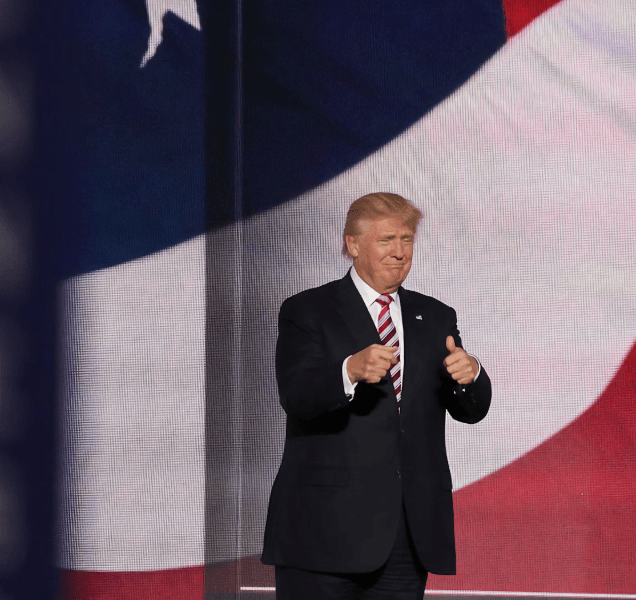
In a bold move on Tuesday, President Donald Trump fired two Democratic members of the Federal Trade Commission (FTC), setting the stage for a major legal battle. The termination of Commissioners Rebecca Kelly Slaughter and Alvaro Bedoya challenges a 1935 Supreme Court precedent that prohibits the dismissal of FTC commissioners without “good cause.”
The Controversial Firings
The White House announced the dismissals of Slaughter and Bedoya earlier this week. In a statement, Slaughter called the action “illegal,” claiming that Trump had violated federal law and the Supreme Court’s decision regarding the protection of FTC commissioners from arbitrary dismissal.
Rebecca Kelly Slaughter expressed her frustration with the firing:
“Today the president illegally fired me from my position as a federal trade commissioner, violating the plain language of a statute and clear Supreme Court precedent,” she said. “Why? Because I have a voice. And he is afraid of what I’ll tell the American people.”
The FTC and Its Role
The Federal Trade Commission, established in 1914, is a vital body in the enforcement of consumer protection and antitrust laws. Typically composed of five commissioners, the FTC’s role has been to oversee corporate practices and ensure they don’t harm the interests of consumers. However, under Trump’s administration, the authority of independent regulatory agencies like the FTC has faced significant challenges.
Legal Precedent in Question
Trump’s decision to remove these commissioners could set a new precedent in the power dynamics between the executive branch and independent agencies. The 1935 Supreme Court ruling in Humphrey’s Executor v. United States explicitly restricted the president’s ability to remove federal officials, like FTC commissioners, except for “good cause.” This decision was designed to protect the independence of such regulatory bodies, but Trump’s move raises concerns about the future of these protections.
Related Articles:
- Trump’s Controversial Threat Labeling Violence Against Tesla as Domestic Terrorism
- Elon Musk’s DOGE Leadership Likely Violates the U.S. Constitution, Judge Rules
- Elon Musk’s Involvement with DOGE: Blessing or Burden for His Businesses?
- DOGE’s New Acting Administrator Amy Gleason Takes Charge Amidst Elon Musk’s Involvement
- The Biggest Breach of U.S. Government Data: Elon Musk’s DOGE Takes Control
- Elon Musk’s DOGE Team Takes Over U.S. Government Agencies
- Image Credits : Unsplash.